
Discover Morocco: Your Ultimate Guide from a Local’s Perspective
Table of Contents
Morocco, a country rich in culture, history, and stunning landscapes, offers a unique travel experience that combines tradition with modernity. From the bustling souks and vibrant cities to the serene deserts and picturesque mountains, Morocco has something to offer every traveler. This guide, rooted in local insights, aims to equip you with all the necessary information to explore Morocco authentically and safely.
Key Takeaways
-
Understand the diverse geography and climate of Morocco to pack and plan accordingly.
-
Learn about Morocco’s rich history and culture to enhance your visit.
-
Familiarize yourself with the languages spoken, primarily Arabic and Berber, with many locals fluent in French.
-
Plan your trip considering the best times to visit and the necessary entry requirements.
-
Explore both popular tourist destinations and hidden gems for a well-rounded experience.
Introduction
Welcome to your ultimate guide to exploring Morocco! This guide is crafted to give you a comprehensive overview of what to expect and how to make the most of your journey. From the vibrant markets to the serene landscapes, get ready to immerse yourself in a unique cultural experience.
Everything you need to know about Morocco before traveling, along with extensive guidelines from a local perspective to help you get the most out of it.
Before you pack your bags, here’s what you need to know to navigate Morocco like a pro. Understand the essentials of Moroccan culture, local customs, and logistical tips to ensure a smooth trip. Dive into this central information hub and start planning your adventure in the mountains, the coast, and the bustling souks.
Getting to Know Morocco
Geographical location and climate
Nestled at the crossroads of Europe and Africa, Morocco boasts a diverse climate that shifts from Mediterranean in the north to desert in the south. Explore the snowy peaks of the Atlas Mountains or the warm sands of the Sahara.
History and Culture
Delve into a rich tapestry of history where ancient traditions blend seamlessly with modern influences. From the bustling souks of Marrakech to the historic medinas of Fez, every corner tells a story.
Languages spoken
While Arabic is the official language, you’ll find French widely spoken due to historical ties. Berber languages also echo throughout the mountains, adding to the country’s linguistic mosaic.
Planning Your Trip
The best time to visit
Morocco’s climate varies, so picking the right time to visit can enhance your experience. Generally, the spring (March to May) and autumn (September to November) offer the most pleasant weather. Avoid the scorching heat of summer in desert regions.
Entry requirements and visas
Before you pack your bags, make sure you’re prepared with the right paperwork. Most travelers can enter Morocco without a visa for up to 90 days. Check the latest guidelines as they can change.
Accommodation options
From luxurious riads to budget hostels, Morocco offers a range of places to stay. Consider your itinerary and budget when booking. Here’s a quick breakdown:
-
Luxury: Riads, Resorts
-
Mid-range: Hotels, Guesthouses
-
Budget: Hostels, Airbnb

Tip: Booking in advance can save you both time and money!
Getting Around Morocco
Navigating through Morocco offers a blend of traditional and modern transport options. Whether you’re zipping through the bustling city streets or exploring the serene landscapes, getting around is an adventure in itself.
Transportation options
Morocco’s transportation network is diverse, ranging from buses and taxis to more traditional means like camels for desert tours. Major cities like Marrakech and Casablanca are well-served by buses and taxis, which are both convenient and affordable. For a unique experience, consider a ride in a ‘calèche’, a horse-drawn carriage, especially popular in Marrakech.
- Trains: A comfortable and affordable way to travel between major cities, with the high-speed Al Boraq train offering a swift connection between Casablanca and Tangier.
- Buses: An extensive bus network connects towns and villages, providing a budget-friendly option for reaching more remote areas. Consider booking tickets a day or two in advance, especially during peak season.
- Grand Taxis: Shared taxis are a popular choice for shorter distances. Agree on the fare beforehand to avoid misunderstandings.
Safety tips for traveling in Morocco
Stay alert and embrace the local travel etiquette to ensure a smooth journey. Always keep your belongings secure and be cautious of overly friendly strangers. When using public transport, it’s wise to keep small changes handy and be aware of your surroundings. For road trips, ensure your vehicle is well-maintained and you have a local contact in case of emergencies.
Tip: Always have a map or a GPS device handy while exploring to avoid getting lost in new places.
Exploring Morocco's Attractions
Top tourist destinations
Discover the vibrant heart of Morocco by visiting its top tourist destinations. Each location offers a unique glimpse into the country’s rich heritage, from the bustling souks of Marrakech to the historic Hassan II Mosque in Casablanca. Don’t miss out on the Jardin Majorelle and the Bahia Palace, where beauty and history blend seamlessly.
Hidden gems and off-the-beaten-path locations
Step off the beaten path and explore Morocco’s hidden gems. Venture into the less trodden areas like the blue city of Chefchaouen or the desert oases in the south. These spots offer tranquility and a chance to see Morocco’s untouched beauty.
Activities and experiences to try
Embrace the Moroccan way of life by engaging in local activities. Whether it’s a cooking class to master the art of Moroccan cuisine or a camel trek through the Sahara, each experience enriches your journey. Consider visiting local markets or taking a traditional hammam spa day to immerse yourself in the culture truly.
Food and Drink in Morocco
Cuisine and popular dishes
Moroccan cuisine is a vibrant mix of Berber, Arab, and Mediterranean influences. Tagine, a slow-cooked stew, and couscous, often served with vegetables and meat, are staples. Pastilla, a sweet and savory pie, showcases the unique blend of flavors typical in Moroccan dishes.
Local markets and food vendors
Exploring local markets, or souks, is essential for experiencing the real taste of Morocco. Here, you can find everything from fresh fruits and spices to traditional pastries. Vendors often offer samples, so be ready to taste a variety of flavors.
Etiquette for dining in Morocco
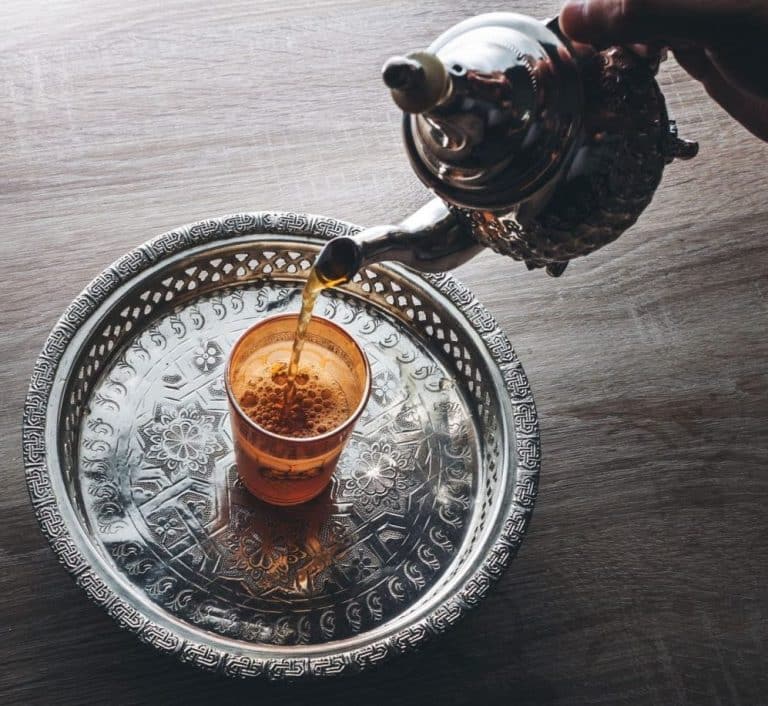
When dining in Morocco, it’s important to use your right hand for eating, as the left is considered unclean. Always accept tea if offered it’s a sign of hospitality. Remember, it’s customary to say ‘Bismillah’ (in the name of God) before starting to eat, reflecting the country’s strong cultural and religious ties.
Shopping in Morocco
Souvenirs and traditional crafts
Morocco is renowned for its vibrant markets and artisanal goods. Travelers can find various handcrafted items such as leather goods, ceramics, and intricate textiles. Each region has its specialty, making each item uniquely representing local craftsmanship.
Marrakech: Known for its leather and metal lanterns
Fes: Famous for its pottery and intricate embroidery
Essaouira: Offers exquisite woodwork and jewelry
Bargaining tips and etiquette
Bargaining is an integral part of the shopping experience in Morocco. It’s not just about getting a lower price, but also about interaction and mutual respect. Start by offering about half of the initial cost and negotiate from there. Always remain polite and friendly; a good negotiation should end with both parties feeling satisfied.
Remember, patience is key in bargaining. Take your time, enjoy the process, and you’ll likely walk away with a better deal and a memorable experience.
Cultural Tips for Traveling in Morocco
Dress code and modesty expectations
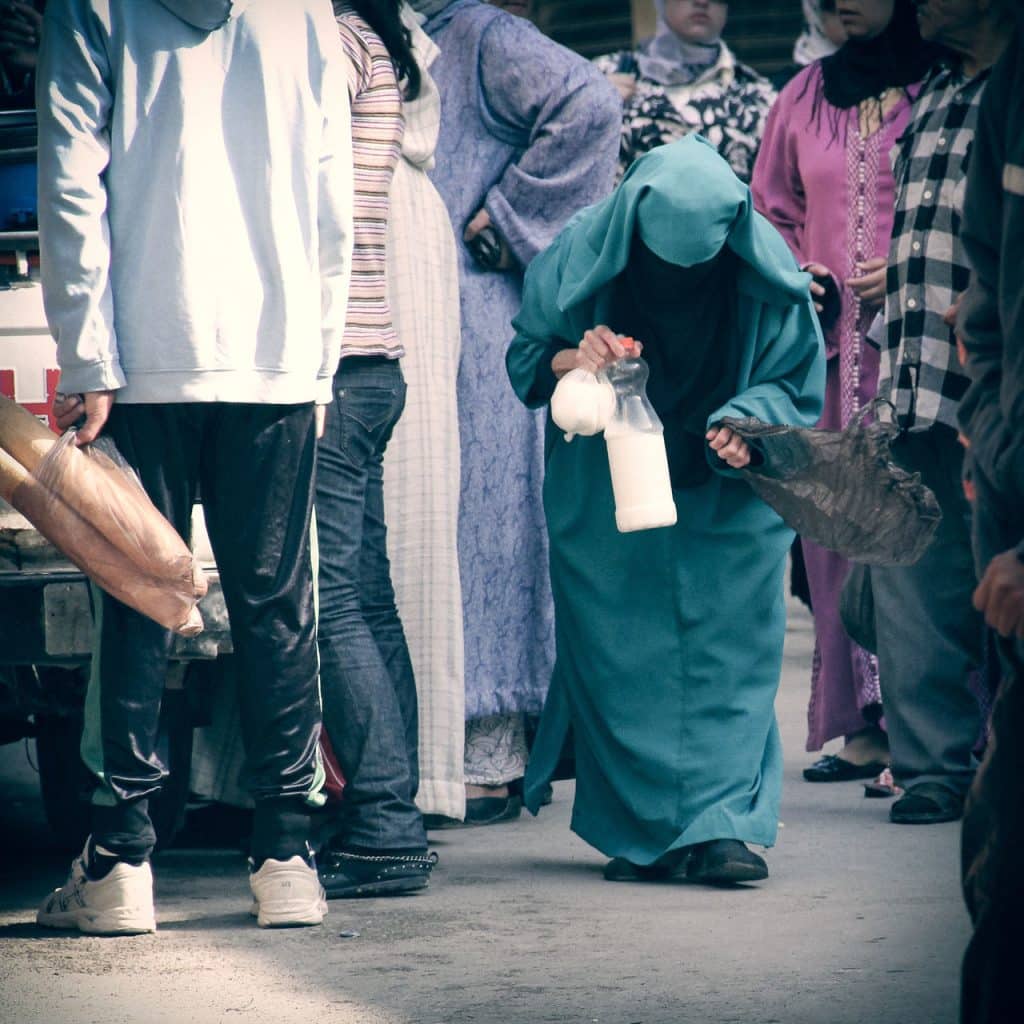
In Morocco, dressing modestly is both a sign of respect and a legal requirement in many areas. Tourists should aim to cover their shoulders and knees, especially when visiting mosques or traditional neighborhoods. For women, wearing loose-fitting clothes and avoiding low-cut tops is advisable. Men should avoid wearing shorts and sleeveless tops in conservative areas.
Religious customs and practices
Morocco is predominantly Muslim, and religious customs shape daily life significantly. Visitors should be aware of the Islamic prayer times, as businesses may close briefly during these periods. During the holy month of Ramadan, eating, drinking, or smoking in public during daylight hours is frowned upon. It’s respectful to avoid these activities in public view.
A Few Basic Moroccan Phrases
Learning a few phrases in Arabic can greatly enhance your experience and interactions with locals. Here are some essential phrases:
Salam Alaykum – Hello
Shukran – Thank you
La, shukran – No, thank you
Afwan – You’re welcome
Min Fadlik – Please
Embracing these cultural tips can make your journey through Morocco more enjoyable and respectful.
Conclusion
We hope this guide has equipped you with all the essential information and local insights needed for a memorable journey to Morocco. From its rich history and diverse culture to its stunning landscapes and vibrant cities, Morocco offers a unique experience for every traveler. Whether you’re exploring the bustling markets, enjoying the local cuisine, or venturing into the serene deserts, your adventure in Morocco is sure to be unforgettable. Safe travels and enjoy every moment of your Moroccan adventure!
Frequently Asked Questions
What is the best time to visit Morocco?
The best time to visit Morocco is during the spring (March to May) or fall (September to November) when the weather is most pleasant.
Do I need a visa to travel to Morocco?
Most travelers from the US, EU, and UK do not need a visa for stays less than 90 days. However, it’s always best to check the latest visa requirements from official sources.
What are some must-visit places in Morocco?
Essaouira, Marrakech, Fez, and the Sahara Desert are must-visit places for their unique cultural experiences and landscapes.
What languages are spoken in Morocco?
Arabic is the official language, but many Moroccans speak Berber languages, French, and increasingly English, especially in tourist areas.
What are some traditional dishes I should try in Morocco?
Don’t miss trying tagine, couscous, pastilla, and Moroccan mint tea.
Is Morocco safe for tourists?
Morocco is generally safe for tourists, but it’s important to follow standard travel safety precautions and respect local customs and laws.
What are some popular dishes in Morocco?
Popular dishes in Morocco include couscous, tagine, pastilla, and harira soup. These dishes are rich in flavors and spices, reflecting the country’s diverse culinary heritage.
Where can I find local food markets in Morocco?
Local food markets, or souks, can be found in most cities and towns. Major cities like Marrakech, Fez, and Casablanca have vibrant markets where you can find fresh produce, spices, and street food.
What is the dining etiquette in Morocco?
In Morocco, it is customary to wash your hands before eating and to eat with your right hand. Sharing food from a communal plate is common, and it’s polite to accept tea or snacks when offered by a host.
What should I know about bargaining in Moroccan markets?
Bargaining is a cultural norm in Moroccan markets. It’s expected that you will negotiate prices, so start your offer at about half the asking price and enjoy the haggling process.
How should I dress when visiting Morocco?
Visitors are expected to dress modestly, especially when visiting religious sites. For both men and women, it’s advisable to wear clothing that covers the shoulders and knees.
Can you share some basic Moroccan phrases for travelers?
Some useful Moroccan phrases include ‘Salam Alikome’ (Hello), ‘Shukran’ (Thank you), ‘La, shukran’ (No, thank you), and ‘Bikam?’ (How much?). These can help you navigate daily interactions.